Luxury vs Budget Tokyo Rentals: Which Should You Choose?
Overview: Tokyo’s Rental Market
Tokyo offers one of the world’s most diverse vacation rental markets, with options ranging from capsule-style micro-apartments to penthouse suites with Skytree views. Understanding the luxury vs budget tokyo rentals landscape is essential for planning a staycation that matches your priorities—whether that’s saving money for experiences, maximizing comfort after long sightseeing days, or finding the perfect balance of both.
The Tokyo vacation rental market has matured significantly since the 2018 Minpaku Law legalized short-term home-sharing. Today, travelers can choose from professionally managed apartment portfolios, private owner rentals, serviced residences, and hybrid concepts that blur the lines between hotels and apartments. Prices vary dramatically based on location, size, building age, and amenities, making informed comparison essential.
This guide breaks down the luxury vs budget tokyo rentals decision across every factor that matters: real pricing data, amenity differences, neighborhood value, hidden costs, and tailored recommendations based on who you are and why you’re visiting.
Price Comparison by District
Location is the single biggest price driver in Tokyo rentals. Here’s what to expect across popular districts:
| District | Budget Rental (per night) | Luxury Rental (per night) | Best For |
|---|---|---|---|
| Shinjuku | ¥7,000 – ¥12,000 | ¥25,000 – ¥60,000 | Nightlife, transport hub |
| Shibuya | ¥8,000 – ¥14,000 | ¥30,000 – ¥80,000 | Youth culture, shopping |
| Asakusa | ¥6,000 – ¥10,000 | ¥18,000 – ¥40,000 | Traditional culture, temples |
| Ginza/Tokyo Station | ¥10,000 – ¥18,000 | ¥40,000 – ¥120,000 | Luxury shopping, business |
| Roppongi | ¥9,000 – ¥15,000 | ¥35,000 – ¥90,000 | International dining, art |
| Ikebukuro | ¥5,500 – ¥9,000 | ¥15,000 – ¥35,000 | Value, anime culture |
| Shinagawa | ¥7,000 – ¥11,000 | ¥22,000 – ¥50,000 | Airport access, business |
Key insight: Budget travelers can save 30-50% by choosing Ikebukuro, Asakusa, or Shinagawa over Shibuya or Ginza. Luxury seekers get maximum value in Asakusa, where premium ryokan and modern apartments cost significantly less than equivalent properties in Shibuya or Roppongi.
Amenities: What You Get at Each Level
The amenity gap between luxury vs budget tokyo rentals is substantial and affects daily quality of life during your staycation.
| Amenity | Budget Rentals | Luxury Rentals |
|---|---|---|
| Size | 15-25 m² studio | 40-100+ m² 1-3 bedroom |
| Bathroom | Compact unit bath | Separate bath/shower, some with soaking tub |
| Kitchen | Mini kitchen (1 burner, mini fridge) | Full kitchen (2-3 burners, oven, dishwasher) |
| View | Street or building interior | City skyline, landmark views, or garden |
| Building amenities | Basic security, coin laundry | Concierge, gym, lounge, rooftop terrace |
| Internet | Standard pocket WiFi or basic fiber | High-speed fiber, sometimes mesh WiFi |
| Furniture quality | Functional IKEA-style | Designer or high-end Japanese brands |
| Welcome amenities | Minimal or none | Welcome basket, toiletries, coffee/tea selection |
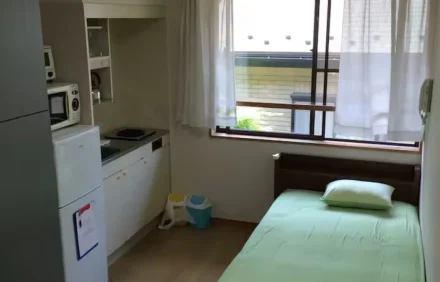
Critical budget consideration: Tokyo’s budget apartments are notoriously small by international standards. A “studio” often means a single room of 18-20 m² with a loft bed to save floor space. If you’re staying longer than 5 days or traveling with luggage, the space constraints of budget rentals become genuinely uncomfortable. For stays of a week or more, the extra cost of a mid-range or luxury rental often pays for itself in comfort.
Location Analysis: Where Your Money Goes Furthest
When evaluating luxury vs budget tokyo rentals, location efficiency matters as much as the property itself. A well-located budget rental can outperform a poorly-located luxury one.
Best value budget neighborhoods:
- Ikebukuro — Excellent train connections (Yamanote Line, Marunouchi Line), massive shopping and dining options, and some of Tokyo’s lowest rental prices. The trade-off is a slightly less “glamorous” neighborhood, though the entertainment and food scene is genuinely excellent.
- Koenji — A hip, affordable neighborhood on the Chuo Line with vintage shopping, live music venues, and a strong creative community. Rentals here offer more space per yen than central districts.
- Asakusa — As detailed in our Asakusa staycation guide, this area combines cultural richness with affordability. The Skytree area has modern buildings at lower prices than Shibuya equivalents.
Best value luxury neighborhoods:
- Meguro/Nakameguro — Upscale residential areas with canal-side cherry blossoms, designer boutiques, and excellent dining. Luxury apartments here often include parking and gardens at prices 20-30% below equivalent Roppongi properties.
- Daikanyama — Tokyo’s “Brooklyn” with curated boutiques, independent bookstores, and sophisticated restaurants. The luxury rental market is smaller but properties tend to be architecturally interesting.
- Shinagawa — Premium waterfront and tower apartments with direct Haneda Airport access (15 minutes on the Keikyu Line). Ideal for business travelers and short-stay luxury seekers.
Pros and Cons: Side-by-Side Comparison
| Factor | Budget Rentals ✅/❌ | Luxury Rentals ✅/❌ |
|---|---|---|
| Cost savings | ✅ 50-70% less than hotels | ❌ Higher upfront cost |
| Space & comfort | ❌ Often cramped (15-25 m²) | ✅ Room to relax and unpack |
| Self-catering | ✅ Saves dining costs | ✅ Gourmet kitchen experiences |
| Local immersion | ✅ Live in residential buildings | ⚠️ Sometimes in expat towers |
| Service & support | ❌ Minimal or remote only | ✅ Concierge, cleaning, maintenance |
| Location options | ✅ Available in every district | ⚠️ Concentrated in premium areas |
| Instagram/flex factor | ❌ Functional, not photogenic | ✅ Stunning views and design |
| Family-friendly | ❌ Too small for families | ✅ Multiple bedrooms, cribs available |
Recommendations by Traveler Type
The right choice in the luxury vs budget tokyo rentals debate depends entirely on who you are:
Solo budget traveler (under ¥8,000/night):
- Look for shared houses or private rooms in guesthouses in Asakusa or Ikebukuro
- Consider capsule hotels with extended-stay rates for ultra-budget options
- Book properties within 3 minutes of a train station to minimize transport costs
Couple on a mid-range budget (¥12,000-¥20,000/night):
- Target 1K or 1DK apartments (25-35 m²) in Nakameguro, Shimokitazawa, or Ebisu
- These neighborhoods offer excellent dining and nightlife without premium pricing
- Look for properties with pocket WiFi included to avoid rental costs
Family with children (¥25,000+/night):
- Luxury 2-bedroom apartments or serviced residences are almost mandatory
- Prioritize buildings with play areas, nearby parks, and full kitchens
- Shinagawa and Shinjuku offer the best family-friendly luxury options
Remote worker / digital nomad (¥15,000-¥30,000/night):
- Prioritize high-speed internet, desk space, and proximity to cafes with WiFi backup
- Shibuya, Shinjuku, and Ikebukuro have the best co-working infrastructure
- Long-term discounts (30+ days) often reduce nightly rates by 30-50%
Luxury seeker / special occasion (¥40,000+/night):
- Roppongi Hills Residences, Toranomon Hills, and Azabudai Hills offer Tokyo’s newest luxury towers
- Consider ryokan-style luxury apartments in Asakusa for cultural immersion at premium comfort
- Book properties with concierge services for restaurant reservations and experience booking
Hidden Costs to Budget For
The sticker price of luxury vs budget tokyo rentals rarely tells the full story. Factor these hidden costs into your decision:
- Cleaning fees: Budget rentals often charge ¥3,000-¥8,000 per stay. Luxury rentals may include cleaning or charge ¥10,000+.
- Tokyo accommodation tax: ¥100-¥200 per person per night for rentals under ¥10,000; ¥100-¥500 for rentals ¥10,000-¥15,000; higher tiers for luxury.
- Pocket WiFi rental: ¥800-¥1,200/day if not included. Many budget rentals exclude this; luxury rentals usually include it.
- Late check-in fees: Some budget operators charge ¥2,000-¥5,000 for arrivals after 10:00 PM. Luxury properties typically offer 24-hour concierge.
- Coin laundry: Budget buildings often lack in-unit laundry. Budget ¥500-¥800 per load at coin laundries. Luxury rentals usually include washing machines.
- Utility overages: Monthly and some weekly rentals meter electricity separately. Air conditioning in summer can add ¥3,000-¥8,000 to a month’s bill.
- Early departure penalties: Budget properties sometimes charge for cancellations within 7 days. Luxury properties may offer more flexible policies.
Bottom line: A ¥8,000/night budget rental with ¥5,000 cleaning, ¥1,000/day WiFi, and laundry costs effectively costs ¥10,000-¥11,000/night. A ¥15,000/night luxury rental with all-inclusive amenities may offer better true value.
Booking Tips for the Best Value
Regardless of where you land in the luxury vs budget tokyo rentals spectrum, these strategies will maximize value:
- Book 60-90 days ahead for peak seasons: Cherry blossom (late March-early April), Golden Week (late April-early May), and New Year see prices double and availability vanish.
- Consider shoulder seasons: February, June, September, and early December offer 20-40% lower rates with excellent weather.
- Use Japanese booking sites for budget options: Sites like Jalan and Rakuten Travel list Japanese-owner properties not found on international platforms.
- Negotiate for longer stays: Many owners offer unadvertised weekly (10% off) or monthly (25-40% off) discounts.
- Read Japanese reviews carefully: Budget rentals that score 3.5+ with Japanese reviewers are usually clean and functional. Low scores often cite noise or building age issues.
- Verify the exact address before booking: “Shibuya area” can mean a 15-minute walk from the station. Use Google Street View to confirm proximity to transport.
- Check for building type: Older “mansion” buildings (1980s-1990s) in budget ranges often have thin walls and no elevators. Newer “apartment” buildings are generally better constructed.
Frequently Asked Questions
Are Tokyo vacation rentals cheaper than hotels?
Generally yes, especially for stays longer than 3 nights. Budget Tokyo rentals typically cost 40-60% less than equivalent hotel rooms, while luxury rentals offer apartment-sized space at rates comparable to or below luxury hotel suites. For families or groups, the savings become even more significant since rental per-person costs drop with more occupants.
What is the minimum stay for Tokyo vacation rentals?
Most vacation rentals in Tokyo require a minimum stay of 2-3 nights. Weekly rentals often provide 10-15% discounts, and monthly rentals can reduce nightly rates by 25-40%. Some platforms like Airbnb allow single-night bookings, but these are increasingly rare under Japan’s Minpaku Law, which requires registration for short-term stays.
Do Tokyo rentals require a security deposit?
Budget rentals rarely require deposits, handling any damage through platform insurance or chargeback mechanisms. Luxury rentals and serviced apartments sometimes request a refundable security deposit of ¥50,000-¥100,000, or place a hold on your credit card. This is more common for stays exceeding two weeks or properties with high-end furnishings and electronics.
Can foreigners legally rent apartments in Tokyo short-term?
Yes, since the 2018 Minpaku Law, short-term vacation rentals are legal nationwide when properly registered. Reputable platforms verify owner registration status. As a foreign traveler, you need only your passport for check-in—no Japanese residency required. However, some traditional ryokan and small guesthouses may have Japanese-language-only booking systems.
Which is better for a Tokyo staycation: luxury or budget rental?
The better choice depends on your staycation goals. Budget rentals (¥6,000-¥12,000/night) are ideal for travelers who prioritize experiences over accommodation and plan to spend most days exploring. Luxury rentals (¥25,000+/night) suit travelers who value comfort, space, and premium amenities—especially for longer stays, family trips, or special occasions. For most visitors, a mid-range rental (¥12,000-¥20,000/night) in a well-located neighborhood offers the optimal balance of comfort and value.
What documents do I need to check into a Tokyo rental?
All guests must present a valid passport at check-in under Japan’s lodging regulations. The owner or management company will record passport details for police registration. Some budget self-check-in properties request a photo of your passport sent via messaging app before arrival. Luxury rentals may also request a credit card for incidentals. No additional visas or permits are required for tourist stays under 90 days for most nationalities.