
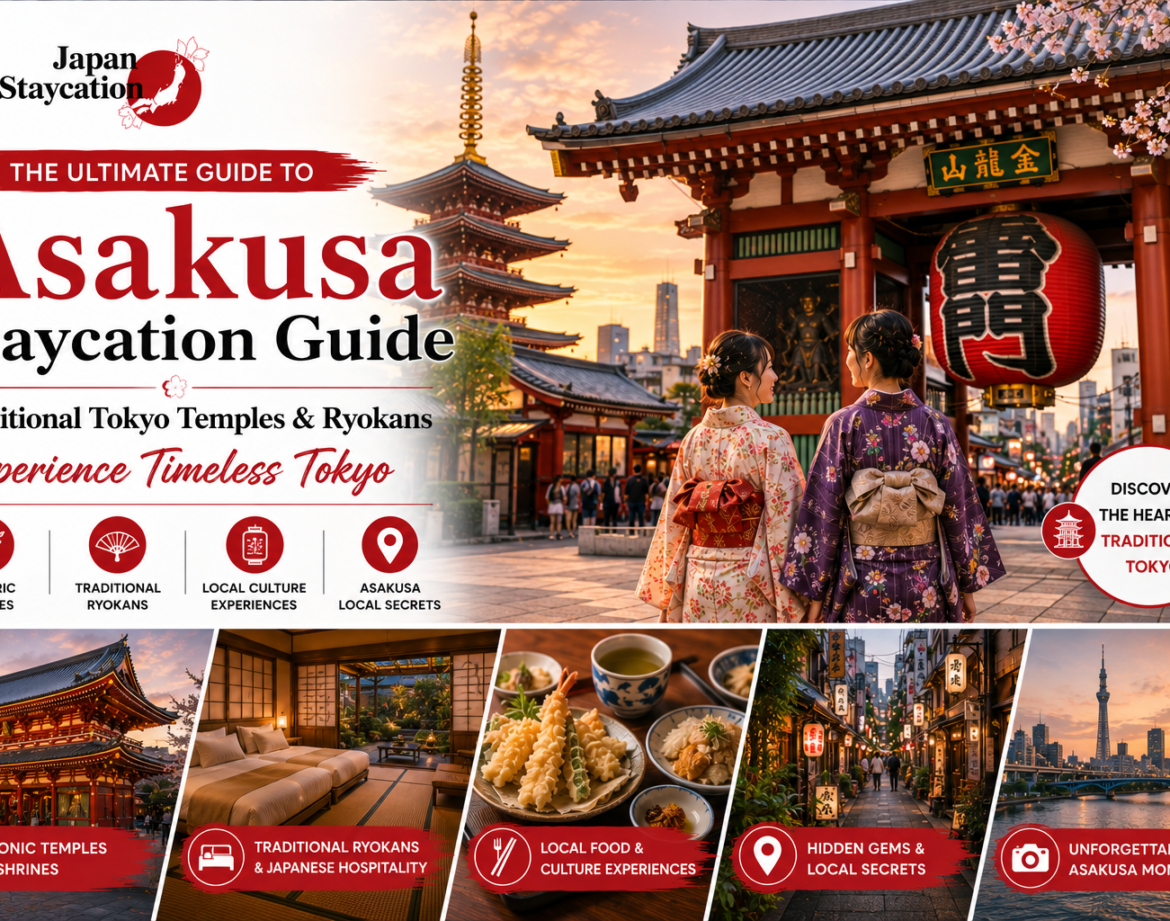
Apartment for Rent in Asakusa Tokyo 2026: Complete Guide for Foreigners
Searching for an apartment for rent in Asakusa Tokyo? Asakusa is one of Tokyo’s most beloved historic districts, famous for Senso-ji Temple, traditional festivals, and a slower-paced lifestyle compared to ultra-modern neighborhoods like Shibuya or Shinjuku. In 2026, renting an apartment in Asakusa as a foreigner offers a unique blend of old Tokyo charm, affordable living, and excellent connectivity. This complete guide covers everything from finding listings, understanding costs, to signing your lease.
Why Rent an Apartment in Asakusa?
Asakusa is the heart of traditional Tokyo. While the city races toward the future, Asakusa preserves the Edo-period atmosphere with narrow streets, traditional shops, and centuries-old temples. Here is why renting an apartment in Asakusa makes sense:
- Historic Charm: Live steps away from Senso-ji Temple, Nakamise Shopping Street, and the iconic Thunder Gate
- Affordable Rent: Asakusa offers some of the most budget-friendly rental options in central Tokyo
- Great Connectivity: Asakusa Station connects the Ginza Line, Asakusa Line, and Tobu Skytree Line — easy access to Shibuya, Ginza, and Narita Airport
- Local Community: Unlike transient tourist hubs, Asakusa has a strong local community with family-owned restaurants and shops
- Cultural Events: Experience Sanja Matsuri and other traditional festivals right outside your door
- Skytree Proximity: Tokyo Skytree and Sumida River are within walking distance
Types of Apartments for Rent in Asakusa
1R (One Room) Apartments
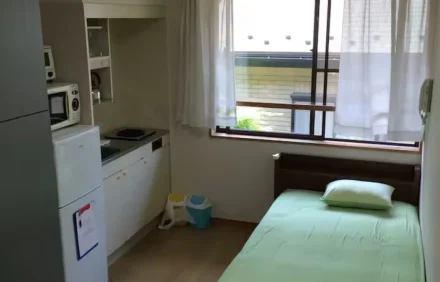
The most common type for singles. Typically 15–25 square meters with a combined living, kitchen, and sleeping area. Perfect for solo travelers, students, or digital nomads who value location over space. Monthly rent ranges from ¥65,000 to ¥110,000 — noticeably cheaper than Shibuya or Shinjuku.
1K / 1DK Apartments
Slightly larger (25–35 sqm) with a separate kitchen area. 1DK includes a dining space. Ideal for couples or those who want a bit more room. Rent: ¥100,000–¥150,000 per month. Many 1K apartments in Asakusa are in older but well-maintained buildings built in the 1980s–1990s.
2K / 2DK Apartments
Two-room apartments (35–50 sqm) suitable for small families or shared living. Some older buildings offer spacious 2DK layouts at prices comparable to 1K apartments in Shinjuku. Rent: ¥140,000–¥200,000 per month.
Traditional Machiya Houses (Rare)
For a truly unique living experience, some foreigners rent renovated machiya (traditional wooden townhouses) in the surrounding Yanaka and Nezu areas. These are rare, expensive, and require special maintenance, but offer an unparalleled old-Tokyo lifestyle. Monthly rent starts from ¥250,000.
Best Areas Within Asakusa for Renting
Nishi-Asakusa (West Asakusa)
The area closest to Asakusa Station and the most convenient for commuters. Expect higher rents but maximum convenience. Restaurants and shops line the streets, and you are never far from the action.
Higashi-Asakusa (East Asakusa)
Quieter and more residential. Slightly lower rents and a more local atmosphere. Perfect if you prefer peace while staying within walking distance of Senso-ji.
Sumida River Area (South)
Modern apartment complexes line the Sumida River. Many offer river views and are within walking distance of both Asakusa and Skytree. Popular with young professionals.
Average Rent Prices in Asakusa 2026
| Apartment Type | Size | Average Monthly Rent |
|---|---|---|
| 1R (Studio) | 15–25 sqm | ¥65,000 – ¥110,000 |
| 1K / 1DK | 25–35 sqm | ¥100,000 – ¥150,000 |
| 2K / 2DK | 35–50 sqm | ¥140,000 – ¥200,000 |
| 3K+ (Family) | 50+ sqm | ¥200,000 – ¥300,000 |
Note: Asakusa rent is typically 20–30% cheaper than Shibuya or Shinjuku for comparable size. Utilities average ¥12,000–¥18,000/month depending on season.
How to Find Apartments for Rent in Asakusa
Online Platforms
- Suumo: Largest Japanese real estate portal. Filter by foreigner-friendly listings
- GaijinPot Apartments: English-language listings specifically for foreigners
- Sakura House: Short-term furnished apartments, no guarantor needed
- Leopalace21: English-speaking staff, simplified contracts
Real Estate Agencies
Local agencies near Asakusa Station often have listings not posted online. Look for agencies displaying gaikokujin ok (foreigner OK) signs. Recommended English-speaking agencies include Tokyo Rent and Sakura House.
Rental Process for Foreigners
- Prepare Documents: Passport, residence card (zairyu card), proof of income (annual income ideally 4x annual rent), Japanese bank account, emergency contact (often your employer)
- Find a Guarantor: Many landlords require a Japanese guarantor. If not available, use a guarantor company (hoshonin gaisha) for a one-time fee of 0.5–1 month rent
- Submit Application: Fill out the application form. Approval typically takes 3–7 business days
- Sign Contract: Lease is usually 2 years. Read carefully — early termination fees and renewal fees apply
- Pay Initial Costs: See cost breakdown below
- Move In: Receive keys, complete property inspection, and activate utilities
Costs Beyond Monthly Rent
| Cost | Amount | Notes |
|---|---|---|
| Deposit (Shikikin) | 1–2 months rent | Refundable minus repairs |
| Key Money (Reikin) | 0–1 months rent | Non-refundable gift to landlord (declining in 2026) |
| Agency Fee | 0.5–1 months rent + tax | One-time |
| Guarantor Fee | 0.5–1 months rent | One-time if using guarantor company |
| Fire Insurance | ¥15,000–¥25,000 | Required, typically 2 years |
| Key Exchange Fee | ¥10,000–¥20,000 | Lock replacement |
| Initial Total | Budget ¥400,000–¥700,000 for a ¥100,000 apartment |
Pros and Cons of Living in Asakusa
Pros
- Affordable: Lower rent than most central Tokyo neighborhoods
- Cultural: Temples, festivals, traditional crafts, and historic architecture
- Walkable: Compact area, many amenities within walking distance
- Food: Excellent traditional restaurants and street food (tempura, ningyo-yaki)
- Transport: Direct train to Narita Airport (Keisei/Sky Access)
Cons
- Tourist Crowds: Nakamise Street and Senso-ji are packed on weekends and holidays
- Older Buildings: Many apartments are in older buildings with less insulation
- Nightlife: Quieter nightlife compared to Shibuya or Shinjuku
- Earthquake Risk: Older wooden structures have lower quake resistance (check building age)
- Limited English: Local shops may not speak English as commonly as in Roppongi
FAQ
Can foreigners rent apartments in Asakusa?
Yes, but you need a residence card, proof of income, and often a Japanese bank account. Some landlords refuse foreigners, but many welcome them — especially properties managed by agencies specializing in foreign tenants.
Is Asakusa cheaper than Shibuya for rent?
Yes. Asakusa rent is typically 20–30% cheaper than Shibuya for comparable apartment types. A 1R in Asakusa averages ¥85,000 vs ¥110,000+ in Shibuya.
How long does it take to commute from Asakusa to Shibuya?
Direct via Ginza Line: approximately 28 minutes. To Tokyo Station: about 15 minutes via Asakusa Line.
What is the best time to search for apartments in Asakusa?
January–March is peak moving season in Japan. Start searching 1–2 months before your desired move-in date. Many landlords offer promotions during off-peak months (June–August).
Are short-term rentals available in Asakusa?
Yes, Sakura House and Airbnb-style monthly mansions offer furnished short-term options (1–6 months) without requiring a guarantor. These cost 10–20% more than standard leases but offer flexibility.
Conclusion
Finding an apartment for rent in Asakusa Tokyo in 2026 is an excellent choice for foreigners who want affordable living steeped in traditional Japanese culture. From compact 1R studios near the station to spacious 2DK family apartments along the Sumida River, Asakusa offers options for every budget and lifestyle.
Whether you are a student, teacher, digital nomad, or family, Asakusa provides a unique Tokyo living experience that blends history, community, and convenience. Start your search today and discover why so many foreigners choose to call this timeless neighborhood home.
Ready to explore more Tokyo neighborhoods? Browse our Shibuya apartment rental guide or check out our complete Tokyo staycation guide for every district.
Pingback: Ikebukuro vs Shibuya vs Asakusa: Where to Rent in Tokyo 2026 – japanstaycation.com