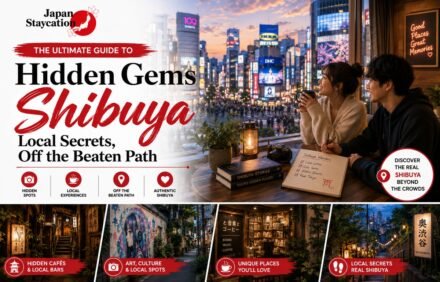
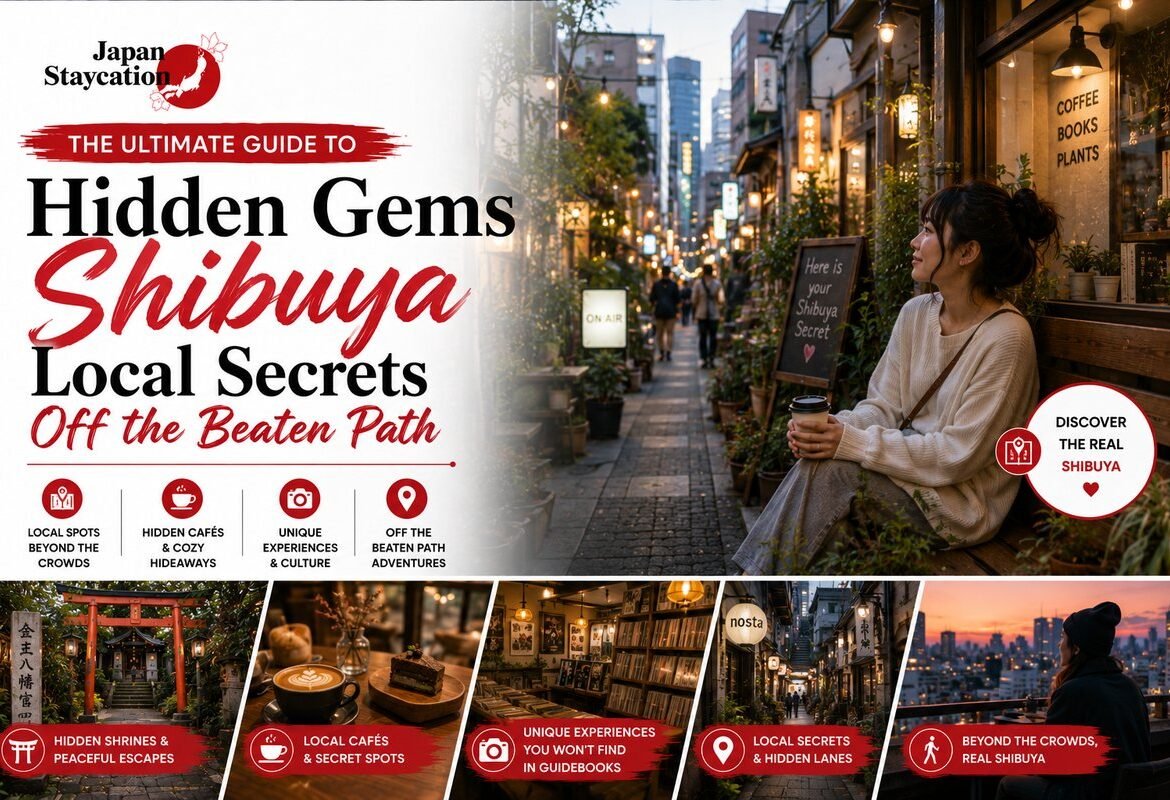
Hidden Gems Shibuya: Local Secrets & Off-the-Beaten-Path Spots
Shibuya. The name instantly evokes images of the famous scramble crossing, neon billboards, and crowds of fashionable Tokyoites. But beneath the surface of this globally recognized district lies a completely different world — a maze of narrow alleys, intimate bars, vintage boutiques, and peaceful gardens that even longtime residents have yet to discover. For travelers seeking hidden gems in Shibuya, this guide reveals the local secrets that transform a typical tourist visit into an authentic Tokyo adventure.
While millions of visitors flock to Shibuya Crossing and Center-Gai each year, the true character of this neighborhood reveals itself only to those willing to venture beyond the obvious. These hidden gems in Shibuya represent the district’s soul — places where locals gather, where tradition meets subculture, and where the frenetic energy of modern Tokyo finds its counterbalance in intimate spaces and quiet moments.
Why Search for Hidden Gems Shibuya?
Travelers who seek out hidden gems shibuya discover a side of Tokyo that most visitors never experience. While the famous scramble crossing represents Shibuya’s public face, the hidden gems shibuya alleyways, bars, and shops reveal the district’s authentic character. Finding these hidden gems shibuya requires patience, curiosity, and a willingness to explore beyond the obvious tourist attractions. The reward is an unforgettable Tokyo experience that feels personal and exclusive.
Nonbei Yokocho: Shibuya’s Tiny Drinking Alley
Hidden in plain sight just minutes from the chaotic Shibuya Station, Nonbei Yokocho (のんべえ横丁) is a throwback to post-war Tokyo that feels worlds apart from the surrounding modernity. This narrow alleyway, barely wide enough for two people to pass, is lined with approximately 40 tiny izakaya (Japanese pubs) and bars, each no larger than a small closet.
The name “Nonbei” translates to “drunkard’s alley,” and while that might sound unappealing, the reality is far more charming. These establishments, some operating for over 60 years, serve as the after-work refuge for local office workers, artists, and neighborhood characters who have patronized the same stool for decades.
What Makes Nonbei Yokocho Special:
- Authentic Atmosphere: No English menus, no tourist prices — just honest Japanese drinking culture
- Tiny Spaces: Most bars seat 4-8 people maximum, creating forced intimacy and conversation
- Traditional Snacks: Yakitori grilled over charcoal, oden simmering pots, and homemade tsukemono (pickles)
- Reasonable Prices: Drinks start at ¥500, making this one of Shibuya’s most affordable nightlife experiences
- History in Every Wall: Weathered wooden facades that have witnessed decades of Tokyo’s evolution
Insider Tip: Arrive before 7:00 PM to secure a seat, especially on weekends. Many locals reserve their favorite spots by simply placing a tissue pack on the counter — a Japanese custom that newcomers should respect. The most welcoming establishments for first-timers are located toward the middle of the alley, marked by red lanterns and the aroma of grilled meat.
Cat Street Vintage: Tokyo’s Coolest Thrift Corridor
Connecting the hip neighborhoods of Shibuya and Harajuku, Cat Street (キャットストリート) is a 800-meter stretch of backstreet that has evolved into Tokyo’s premier destination for vintage fashion, streetwear, and independent boutiques. While not entirely hidden, the true hidden gems in Shibuya along Cat Street require knowledgeable navigation.
Unlike Omotesando’s luxury flagship stores, Cat Street specializes in curated secondhand clothing, rare sneakers, and limited-edition streetwear. The street takes its name from the cats that supposedly once roamed the area, not from any formal designation.
Must-Visit Vintage Shops on Cat Street:
| Shop Name | Specialty | Price Range |
|---|---|---|
| Chicago Thrift | American vintage denim, military surplus, band tees | ¥2,000-15,000 |
| Flamingo | 1970s-90s retro fashion, accessories | ¥3,000-20,000 |
| Kindal | Designer vintage, luxury handbags | ¥10,000-100,000+ |
| WEGO | Japanese streetwear, affordable fashion | ¥1,500-8,000 |
| Ragtag | Gently-used designer pieces from Japanese brands | ¥5,000-50,000 |
The real treasures, however, lie in the shops branching off the main Cat Street path. Small unmarked boutiques on the second and third floors of nondescript buildings carry rare Japanese streetwear from the 1990s and early 2000s — items that fetch premium prices in international markets. Look for handwritten signs and follow locals up narrow staircases.
Insider Tip: Most shops open between 11:00 AM and 1:00 PM. The best time for vintage hunting is weekday afternoons when inventory is freshly restocked and crowds are minimal. Many stores offer tax-free shopping for tourists spending over ¥5,500.
Local Jazz Bars Worth Discovering
Shibuya’s jazz scene represents one of Tokyo’s most vibrant musical subcultures, yet remains virtually unknown to international visitors. The district’s jazz bars (jazu kissa) range from tiny listening rooms with vintage sound systems to intimate live venues where world-class musicians perform meters from the audience.
- Shibuya Pit Inn: A legendary live jazz venue operating since 1966. Both local legends and touring international artists perform here nightly. The space accommodates only 100 people, creating an unparalleled intimate concert experience.
- Jazz Pub Basie: Named after Count Basie, this cozy bar features nightly performances and an impressive vinyl collection. The owner, a jazz aficionado of 40 years, personally curates the music when live acts are not performing.
- Shinjuku Pit Inn (main branch): While technically in Shinjuku, this sister venue is worth the short trip for serious jazz fans. Same intimate atmosphere with even more experimental programming.
- JZ Brat: Located in the basement of a Shibuya office building, this sophisticated venue hosts both jazz and bossa nova performances. The acoustics are exceptional.
- Sometime: A tiny basement club where impromptu jam sessions often continue until 3:00 AM. The audience frequently includes professional musicians unwinding after their own gigs.
Cover charges range from ¥2,000 to ¥5,000, often including one drink. Most venues require no reservation for casual listening, but arrive early for popular acts.
Shibuya Sky: The Non-Tourist Times
While Shibuya Sky has become one of Tokyo’s most popular observation decks since opening in 2019, experiencing it during non-tourist hours transforms this commercial attraction into a genuinely special hidden gem in Shibuya.
The 230-meter-high open-air rooftop offers 360-degree views encompassing Mount Fuji, Tokyo Skytree, and the sprawling metropolis below. But timing is everything.
Best Times to Visit Shibuya Sky:
| Time | Experience | Why Visit Then |
|---|---|---|
| 9:00 AM Opening | Morning clarity with Mount Fuji visibility | Virtually empty; best photography light |
| Weekday Lunch (12:00-2:00 PM) | Daytime cityscape with minimal crowds | Avoid weekend queues entirely |
| Last Entry (9:00 PM) | Night cityscape with twinkling lights | Romantic atmosphere; smaller groups |
| Rainy Days | Moody, atmospheric views through glass | Minimal visitors; unique photo opportunities |
Important: Tickets must be purchased online in advance. Standard admission is ¥1,800. The rooftop is closed during inclement weather, but the indoor observation areas remain open.
Secret Gardens and Green Escapes
Amid Shibuya’s concrete jungle, several secret gardens offer surprising tranquility. These green spaces serve as local refuges and provide context for understanding how Tokyo balances urban density with natural preservation.
- Yoyogi Park’s Hidden Corners: While the main lawns draw crowds, the wooded areas near the park’s northern edge remain surprisingly quiet. Follow the cycling path past the main event space to discover secluded benches beneath mature ginkgo trees.
- Konnō Hachimangū Shrine Grounds: Located near Shibuya’s commercial center, this historic shrine features a meticulously maintained garden that remains virtually unknown to tourists. The stone lanterns and moss-covered statues create a contemplative atmosphere.
- Togo Shrine: Just behind Harajuku Station, this small shrine dedicated to Admiral Togo features a bamboo grove that blocks all street noise. The contrast with nearby Takeshita Street is dramatic.
- Shibuya Community Park: A micro-park hidden behind residential buildings, featuring a traditional Japanese rock garden and seasonal flower displays. Locals use it for lunch breaks and quiet reading.
Local Markets and Specialty Shops
Beyond the major department stores, Shibuya hosts numerous specialty markets that cater to local residents rather than tourists. These hidden gems in Shibuya offer authentic shopping experiences and unique souvenirs.
- Shibuya Farmers Market (-weekends): Held irregularly in front of the Hikarie building, this market brings organic produce from farms within 100 kilometers of Tokyo. The prepared food stalls are particularly impressive.
- Tokyu Food Show Basement: While department store food halls (depachika) are well-known, the Tokyu Food Show represents the pinnacle. The basement level of Shibuya Tokyu Hands features artisanal products that cannot be found elsewhere.
- Shibuya 109’s Indie Floors: While the main building targets teenagers, the annex buildings (particularly 109 Men’s) feature independent designers selling limited-run pieces at reasonable prices.
- Mandarake Complex: Though technically in nearby Shibuya, this multi-floor manga and anime paradise is a collector’s dream. The vintage section on the upper floors contains items worth thousands of dollars.
Frequently Asked Questions
Are these hidden gems in Shibuya suitable for solo travelers?
Absolutely! Many of these hidden gems are actually better experienced solo. Jazz bars, small izakaya in Nonbei Yokocho, and vintage shops along Cat Street are all welcoming to individual travelers. In fact, solo visitors often have an easier time securing seats at tiny bars and restaurants that cannot accommodate large groups. The intimate nature of these spots encourages conversation with locals and fellow travelers.
How much should I budget for exploring these Shibuya hidden spots?
A full day exploring Shibuya’s hidden gems can range from ¥5,000 to ¥20,000 depending on your preferences. Budget-friendly options include morning walks through secret gardens (free), browsing vintage shops without purchasing (free to ¥2,000), and eating at standing noodle bars (¥800-1,200). Mid-range experiences include jazz bar covers (¥2,000-4,000 with one drink) and craft cocktails in Nonbei Yokocho (¥1,500-3,000). High-end vintage purchases or premium jazz venues can extend this budget significantly.
Is English spoken at these local establishments?
English proficiency varies significantly across these hidden gems. Jazz bars and vintage shops that cater to international tourists typically have English-speaking staff. However, traditional izakaya in Nonbei Yokocho and neighborhood markets usually operate entirely in Japanese. A translation app, basic Japanese phrases, and a willingness to communicate through gestures will serve you well. Many locals appreciate the effort of foreigners attempting Japanese, and the language barrier often becomes part of the charm in these authentic spaces.
What is the best walking route to explore these hidden gems?
The ideal walking route begins at Shibuya Station’s Hachiko Exit. Start with morning vintage shopping along Cat Street (11:00 AM opening), then head to Nonbei Yokocho for lunch at a tiny izakaya (12:00-2:00 PM). Walk through Yoyogi Park’s quieter northern paths in the afternoon (2:00-4:00 PM), visit Konnō Hachimangū Shrine (4:00-5:00 PM), then enjoy jazz at Pit Inn (7:00 PM show). End the evening with night views from Shibuya Sky (9:00 PM last entry). This route covers approximately 5 kilometers and can be completed comfortably in a full day.
Are these spots accessible for travelers with mobility challenges?
Accessibility varies. Shibuya Sky and major department stores are fully wheelchair accessible. However, Nonbei Yokocho’s narrow alley and tiny establishments present significant challenges for wheelchairs and those with limited mobility. Many vintage shops on Cat Street occupy second and third floors with steep staircases and no elevators. Jazz venues are typically basement locations with narrow stairs. Travelers with mobility considerations should prioritize Shibuya Sky, Yoyogi Park’s main paths, the Tokyu Food Show, and the ground-floor vintage shops along Cat Street’s main street.
Shibuya rewards curiosity. The hidden gems in Shibuya described here represent just a fraction of what this endlessly fascinating district offers to intrepid explorers. Venture beyond the famous crossing, follow narrow alleys, climb unmarked staircases, and discover why Shibuya remains Tokyo’s most dynamic neighborhood — not for what everyone sees, but for what only the curious find.