Luxury vs Budget Tokyo Rentals: Which Should You Choose?
Table of Contents
- Introduction: The Tokyo Accommodation Dilemma
- Price Comparison: What Your Yen Buys
- Amenities Face-Off: Luxury vs Budget
- Location Matters: Where Your Money Goes Furthest
- Pros & Cons: Side-by-Side Comparison
- Recommendations by Traveler Type
- Hidden Costs Most Renters Forget
- Frequently Asked Questions
Introduction: The Tokyo Accommodation Dilemma
Tokyo offers more accommodation variety than almost any city on Earth. From capsule hotels smaller than a walk-in closet to penthouse apartments overlooking Mount Fuji, the range is staggering. But when planning your Tokyo stay, the question isn’t “where should I stay?” — it’s “what level of comfort am I willing to pay for?“
This guide breaks down the luxury vs budget tokyo rentals debate with real numbers, honest comparisons, and practical advice. Whether you’re a solo backpacker stretching a ¥5,000 daily budget or a family splurging on a ¥50,000-per-night serviced apartment, we’ll help you make the smart choice.
By the end of this article, you’ll know exactly what premium accommodation actually delivers, where budget options fall short (and surprise you), and which hidden costs can blow your budget before you’ve unpacked your suitcase.
Price Comparison: What Your Yen Buys
Let’s start with the numbers that matter most. Here’s what you can realistically expect at different price points for Tokyo vacation rentals:
| Price Tier | Nightly Rate | Typical Size | What You Get |
|---|---|---|---|
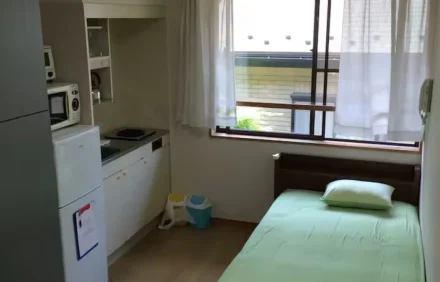
| Budget | ¥4,000–8,000 ($27–55) | 15–25 m² (studio) | Basic apartment, shared bathroom possible, minimal kitchen, portable Wi-Fi |
| Mid-Range | ¥10,000–20,000 ($68–135) | 30–50 m² (1BR) | Full kitchen, washing machine, balcony, reliable Wi-Fi, decent location |
| Premium | ¥25,000–40,000 ($170–270) | 50–80 m² (1–2BR) | Designer furnishings, full appliances, concierge, premium location, view |
| Luxury | ¥50,000+ ($340+) | 80–150 m² (2–3BR) | Penthouse, Mt. Fuji view, hotel-style service, rooftop access, parking |
Reality check: Tokyo’s average hotel room is just 16 m². A 25 m² budget rental is actually larger than most business hotel rooms. Don’t let small square footage scare you — Japanese design maximizes every centimeter.
Amenities Face-Off: Luxury vs Budget
Beyond size, amenities separate the tiers. Here’s what you’ll actually use:
| Amenity | Budget | Luxury | Worth It? |
|---|---|---|---|
| In-room washer/dryer | Rare; coin laundry nearby | Standard; often combo unit | 🟢 Yes — saves ¥500/load and hours of time |
| Full kitchen | Hot plate + mini fridge | Gas stove, oven, full fridge | 🟢 Yes — eating out 3x/day costs ¥6,000+ |
| High-speed Wi-Fi | Portable pocket Wi-Fi | Fiber optic, 500+ Mbps | 🟡 Maybe — depends on remote work needs |
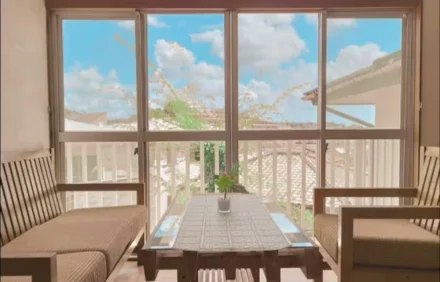
| Balcony/view | Rare; alley view if any | City skyline, Skytree, or Mt. Fuji | 🟡 Nice to have; not essential for short stays |
| 24/7 concierge | Self check-in only | Front desk, luggage storage, recommendations | 🟢 Yes — invaluable for first-time visitors |
| Bathtub | Shower only (common) | Deep soaking tub (ofuro) | 🟡 Cultural experience, but not essential |
| Robot toilet | Standard Western toilet | Washlet with heated seat, bidet, dryer | 🟢 Yes — once you try a Japanese washlet, you’ll never go back |
Location Matters: Where Your Money Goes Furthest
Tokyo’s rental market follows one ironclad rule: location determines price more than size or amenities. Here’s how neighborhoods compare:
- Shibuya & Shinjuku (Premium): ¥20,000+ per night for small 1-bedrooms. You’re paying for walkability to stations, nightlife, and name recognition. Best for first-time visitors who want convenience.
- Ginza & Marunouchi (Ultra-Premium): ¥35,000+ per night. The business district empties on weekends, creating surprisingly quiet evenings. Best for luxury seekers with corporate budgets.
- Nakano & Koenji (Budget Gem): ¥5,000–8,000 per night for comfortable apartments. Just 10 minutes from Shinjuku by JR Chuo Line. Youthful, creative neighborhoods with vintage shops and live music venues.
- Asakusa (Budget + Cultural): ¥6,000–10,000 per night. Older buildings but massive charm. Best for travelers prioritizing traditional culture over modern convenience.
- Ebisu & Meguro (Mid-Range Sweet Spot): ¥12,000–18,000 per night. Upscale residential areas with excellent dining. One stop from Shibuya. Best for food-focused travelers.
- Ikebukuro (Budget Family): ¥7,000–12,000 per night for larger 2-bedrooms. Less touristy, more local. Great for families needing space without premium pricing.
Pro tip: Staying one or two stations away from major hubs (Shibuya, Shinjuku, Ginza) typically cuts prices by 30–50% while adding only 5–10 minutes to commute times.
Pros & Cons: Side-by-Side Comparison
Budget Tokyo Rentals
Pros:
- Leave more budget for experiences — Tokyo’s best meals, museums, and day trips cost money
- Force you into local neighborhoods you’d never otherwise explore
- Smaller spaces are easier to keep clean during busy trip schedules
- Portable Wi-Fi devices work anywhere (great for day trips outside Tokyo)
- Self check-in means no awkward language barriers at reception
Cons:
- Noisy — thin walls in older buildings mean you’ll hear neighbors
- No space to unwind after long sightseeing days
- Laundry becomes a logistical challenge (finding coin laundries, waiting hours)
- Minimal cooking facilities force reliance on restaurants (expensive long-term)
- Basic amenities (no bathtub, no balcony) can wear on longer stays
Luxury Tokyo Rentals
Pros:
- Space to breathe, relax, and actually enjoy your accommodation
- Full kitchen saves significant money on meals (groceries cost 40% less than restaurants)
- In-unit laundry means packing half as many clothes
- Premium locations reduce daily commute times and transportation costs
- Concierge services solve problems before they become problems
Cons:
- High nightly rates consume budget that could fund experiences
- Premium neighborhoods can feel sterile compared to vibrant local areas
- More space means more cleaning (or higher cleaning fees)
- You’re less likely to venture out and discover unexpected gems
- Some luxury buildings have strict rules about garbage separation and noise
Recommendations by Traveler Type
| Traveler Type | Recommended Tier | Why | Budget/Night |
|---|---|---|---|
| Solo backpacker | Budget capsule or shared apartment | You’re never in the room anyway; maximize experience budget | ¥4,000–7,000 |
| Digital nomad (1+ months) | Mid-range with dedicated workspace | Reliable Wi-Fi, kitchen, and washing machine become essential for long stays | ¥10,000–18,000 |
| Couple (romantic trip) | Premium with view | A balcony city view and soaking tub create memorable moments | ¥25,000–35,000 |
| Family (2 adults + kids) | Mid-range 2-bedroom | Kids need space; kitchen saves meal costs; laundry essential | ¥15,000–25,000 |
| Family (multigenerational) | Luxury 3-bedroom | Grandparents need comfort; shared living space brings everyone together | ¥40,000–70,000 |
| Business traveler | Premium near station | Minimize commute; concierge handles logistics; reliable Wi-Fi for calls | ¥20,000–30,000 |
| Luxury seeker | Luxury penthouse | You’re here for the experience; Mt. Fuji sunrise views are worth the premium | ¥50,000+ |
Hidden Costs Most Renters Forget
The nightly rate is just the beginning. Factor these into your luxury vs budget tokyo rentals calculation:
- Cleaning fees: Budget rentals often charge ¥3,000–5,000 per stay. Luxury rentals: ¥8,000–15,000. Some platforms hide this until checkout.
- Transportation: A ¥5,000/night savings in a distant neighborhood costs ¥1,000/day in extra train fares. Over a week, that’s ¥7,000 — erasing your “savings.”
- Food costs: No kitchen = ¥3,000–6,000/day in restaurant bills. A rental with even basic cooking facilities cuts this by 40–60%.
- Laundry: Coin laundries cost ¥400–600 per load (wash + dry). Over a 2-week stay with in-unit vs. external laundry: ¥5,000–8,000 difference.
- Early check-in / late check-out: Hotels charge ¥3,000–5,000/hour. Most vacation rentals are stricter — negotiate before booking.
- Pocket Wi-Fi rental: If not included, budget ¥800–1,200/day. Luxury rentals usually include fiber-optic Wi-Fi.
- Garbage disposal: Tokyo has strict sorting rules. Some budget buildings fine tenants ¥5,000+ for improper disposal.
- Air conditioning: Summer electricity bills can spike. Some budget rentals charge excess usage fees.
Bottom line: A ¥10,000/night “budget” rental can easily cost ¥14,000/night after hidden fees. A ¥20,000 “mid-range” rental with kitchen and laundry might actually be cheaper for stays longer than 5 days.
Frequently Asked Questions
Are Tokyo vacation rentals cheaper than hotels?
Generally yes — for stays longer than 3 nights. A budget hotel in Tokyo costs ¥8,000–12,000/night for a tiny room with no kitchen. A comparable vacation rental at ¥6,000–10,000/night includes cooking facilities and more space. For 1–2 night stays, hotels are often more convenient due to check-in flexibility and concierge services.
Is it safe to rent an apartment in Tokyo as a foreigner?
Absolutely. Tokyo has virtually zero violent crime, and the vacation rental industry is well-regulated. Use reputable platforms, read reviews carefully, and verify the host’s response rate. Japanese hosts are typically extremely honest and responsive.
What’s the minimum stay for Tokyo vacation rentals?
Most platforms require 2–3 nights minimum. Some traditional apartments (especially in residential buildings) require 1 week minimum due to local regulations. Always check the minimum stay policy before messaging the host.
Do luxury rentals in Tokyo include housekeeping?
Typically no — vacation rentals are self-catering. Premium and luxury options may include mid-stay cleaning for stays longer than 7 nights, but daily housekeeping is rare unless you’re booking a serviced apartment or aparthotel. Clarify this before booking if it’s important to you.
Can I cook in a Tokyo rental apartment?
Budget rentals usually have a hot plate, rice cooker, and mini-fridge. Mid-range and above typically include a gas stove (often 1–2 burners), microwave, toaster oven, and full-size refrigerator. Luxury rentals may have full ovens and dishwashers — rare in Japan. Note that most Japanese kitchens lack full-size ovens.
Find your perfect Tokyo rental — whether budget-friendly or luxury — and start planning your unforgettable staycation today.