Asakusa Staycation Guide: Traditional Tokyo Living, Temples & Ryokans
Table of Contents
- Why Choose Asakusa for Your Tokyo Staycation?
- Senso-ji Temple: The Spiritual Heart of Tokyo
- Nakamise Shopping Street: Traditional Treats & Souvenirs
- Ryokan vs Apartment: Where Should You Stay?
- Exploring Traditional Neighborhoods
- Best Food Spots in Asakusa
- Nearby Attractions Worth Visiting
- Practical Tips for Your Asakusa Staycation
- Frequently Asked Questions
Why Choose Asakusa for Your Tokyo Staycation?
When most travelers think of Tokyo, they picture neon-lit Shibuya crossings and ultra-modern Shinjuku skyscrapers. But there’s another side to Japan’s capital — one that feels frozen in time, wrapped in tradition, and humming with centuries of culture. Welcome to Asakusa, Tokyo’s most historic district and arguably its most charming neighborhood for a staycation.
Asakusa offers something increasingly rare in modern Tokyo: an authentic taste of shitamachi (old downtown) culture. Here, rickshaw pullers still navigate narrow alleyways. Elderly residents practice morning tai chi near temple gates. The smell of freshly grilled senbei rice crackers drifts from century-old shops. For travelers seeking cultural immersion over commercial hustle, an asakusa staycation delivers an experience no luxury hotel in Ginza can replicate.
Staying in Asakusa also means unbeatable convenience. The district sits along the Sumida River, with direct train connections to Narita Airport via the Keisei Line and easy access to the Ginza and Asakusa subway lines. You’re 15 minutes from Akihabara, 20 minutes from Ginza, and yet you’ll feel worlds away from Tokyo’s neon chaos.
Senso-ji Temple: The Spiritual Heart of Tokyo
No asakusa staycation is complete without deep exploration of Senso-ji, Tokyo’s oldest and most visited temple. Founded in 645 AD, this Buddhist temple complex predates nearly every other structure in the city and remains the beating spiritual heart of Tokyo.
The approach to Senso-ji is theatrical. Enter through the massive Kaminarimon (Thunder Gate), its enormous red lantern weighing 700 kilograms swinging gently above your head. Beyond lies Nakamise Street — but we’ll get there shortly. Past the shopping arcade, the temple’s main hall rises with its distinctive curved roof and incense-filled courtyard.
Best times to visit:
- Early morning (6:00–8:00 AM): Experience the temple in near-solitude. Monks perform morning prayers, and the rising sun casts golden light across the pagoda.
- Evening (after 6:00 PM): The temple illuminates beautifully, and crowds thin dramatically. Night photography here is spectacular.
- Sanja Matsuri (May): Tokyo’s wildest festival transforms Asakusa into a three-day street party with portable shrines, traditional music, and over a million visitors.
Don’t miss the five-story pagoda to the left of the main hall — it’s one of the most photographed structures in Japan. The omikuji fortune-telling strips near the main hall are also fun: shake a metal container, draw a numbered stick, and receive your fortune in English.
Nakamise Shopping Street: Traditional Treats & Souvenirs
Stretching 250 meters from Kaminarimon to Senso-ji’s main hall, Nakamise-dori is Japan’s oldest shopping street and a treasure trove of traditional snacks, crafts, and souvenirs. This isn’t your typical tourist trap — many shops here have been family-run for over a century.
Must-try foods on Nakamise:
| Snack | Description | Price |
|---|---|---|
| Age-manju | Fried buns filled with sweet red bean paste | ¥150–200 |
| Kibi-dango | Millet dumplings on skewers — chewy and subtly sweet | ¥100–150 |
| Ningyo-yaki | Tiny doll-shaped cakes filled with red bean paste, baked fresh in iron molds | ¥100–200 (set of 3–6) |
| Senbei | Crispy rice crackers grilled over charcoal, brushed with soy sauce | ¥200–500 per bag |
| Kaminari-okoshi | Crispy puffed rice squares — Asakusa’s signature sweet since the Edo period | ¥300–600 per box |
Beyond food, Nakamise offers exceptional souvenirs. Fans, chopsticks, and handkerchiefs make lightweight gifts. Traditional kimono and yukata shops offer rental services if you want to explore the district in authentic dress. Japanese kitchen knives from century-old artisans are surprisingly affordable and make unforgettable souvenirs.
Ryokan vs Apartment: Where Should You Stay?
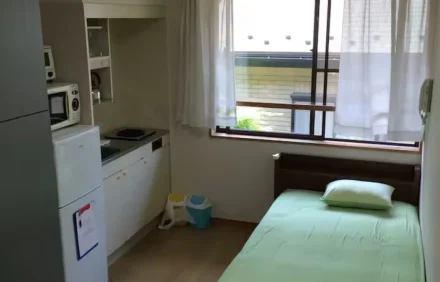
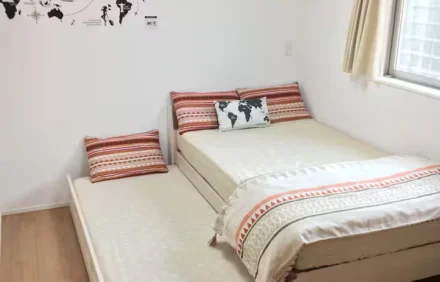
One of the biggest decisions for your asakusa staycation is choosing between a traditional ryokan (Japanese inn) or a modern vacation rental apartment. Both offer unique experiences:
| Feature | Ryokan | Vacation Rental |
|---|---|---|
| Price per night | ¥15,000–40,000 ($100–270) | ¥8,000–25,000 ($55–170) |
| Experience | Traditional futon on tatami, yukata robes, communal baths | Western beds, kitchen, private bathroom, laundry |
| Meals | Often includes kaiseki breakfast/dinner | Self-catering; explore local restaurants |
| Best for | Cultural immersion, couples, special occasions | Families, long stays, budget travelers, digital nomads |
| English support | Variable; luxury ryokans better | Usually excellent; self-check-in common |
Top ryokan picks in Asakusa:
- Asakusa Shigetsu: Traditional ryokan with rooftop views of Tokyo Skytree and authentic tatami rooms.
- Sadachiyo: A 40-year-old family-run inn near Senso-ji with hand-painted murals and home-cooked meals.
- Ryokan Kamogawa: Modern ryokan blending traditional aesthetics with contemporary comfort.
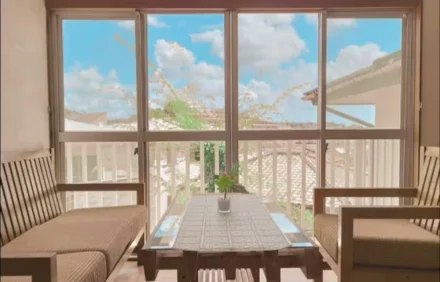
Best vacation rental areas: Look for apartments within 5 minutes of Asakusa Station (Tsukuba Express or Ginza Line) or Tawaramachi Station for slightly quieter surroundings at lower prices.
Exploring Traditional Neighborhoods
Beyond Senso-ji, Asakusa rewards curious wanderers with pockets of old Tokyo that most tourists never discover.
Demachi-dori runs parallel to Nakamise but feels worlds apart. This narrow lane is lined with tiny bars and restaurants that haven’t changed in decades. At night, red lanterns glow above wooden facades, and the clinking of glasses mixes with jazz from vintage speakers.
Sumida Park along the river offers one of Tokyo’s best cherry blossom viewing spots. In spring, over 1,000 sakura trees create a tunnel of pink. The riverside walking path connects Asakusa to Tokyo Skytree — a lovely 20-minute stroll.
Edo Shitamachi Traditional Crafts Museum (free admission) showcases 45 traditional crafts still practiced in the district, from umbrella-making to woodblock printing. On weekends, artisans give live demonstrations.
Kappabashi Dougugai (Kitchen Town), a 10-minute walk north, is a paradise for foodies. This street sells every kitchen tool imaginable, including plastic food replicas so realistic they’ll fool your eyes.
Best Food Spots in Asakusa
Asakusa punches well above its weight in the culinary department. Beyond the snacks on Nakamise, here are the must-visit restaurants:
- Daikokuya Tempura (est. 1887): Tokyo’s oldest tempura restaurant serves tendon (tempura rice bowls) in a smoky, century-old dining room. Expect queues — locals line up before opening. Budget: ¥1,500–2,500.
- Sometaro Okonomiyaki: DIY savory pancakes cooked at your table on a hot griddle. The rustic wooden building dates to the 1940s. Budget: ¥1,000–2,000.
- Misojyu: Modern miso soup specialty shop offering creative bowls with seasonal toppings. Perfect for a light, healthy lunch. Budget: ¥800–1,200.
- Suzuyaki: Tiny yakitori joint hidden in Demachi-dori. No English menu, but point at the grill and trust the chef. Budget: ¥2,000–3,500.
- Kagari Ramen: Michelin-recommended tori paitan (chicken bone broth) ramen. Creamy, rich, and unforgettable. Budget: ¥1,000–1,500.
- Asakusa Imahan: Legendary sukiyaki and shabu-shabu restaurant operating since 1895. Splurge-worthy for special dinners. Budget: ¥5,000–10,000.
Nearby Attractions Worth Visiting
Asakusa’s location makes it an ideal base for exploring eastern Tokyo:
- Tokyo Skytree (15 min walk): At 634 meters, Japan’s tallest structure offers panoramic views. The surrounding Solamachi mall has excellent restaurants and an aquarium.
- Ueno Park (10 min by train): Tokyo’s most famous park contains museums, a zoo, and spectacular cherry blossoms. The Ameyoko market beneath the tracks is a chaotic shopping adventure.
- Akihabara (8 min by train): The world’s electronics and anime capital. From maid cafes to multi-floor arcades, it’s sensory overload in the best way.
- Ginza (15 min by subway): Tokyo’s luxury shopping district contrasts beautifully with Asakusa’s old-town charm. Visit on weekend afternoons when the main street becomes pedestrian-only.
- Sumida River Cruise: Traditional yakatabune (party boats) and modern water buses connect Asakusa to Odaiba and Hamarikyu Gardens.
Practical Tips for Your Asakusa Staycation
- Best time to visit: Spring (March–May) for cherry blossoms along the Sumida River, or autumn (October–November) for mild weather and golden ginkgo trees.
- What to wear: Comfortable walking shoes are essential — Asakusa’s charm lies in its narrow lanes and temple grounds. Modest clothing is appreciated at Senso-ji.
- Cash vs card: Many small shops on Nakamise are cash-only. Carry yen for street food and souvenirs.
- Language: English signage is decent around the temple but limited in residential areas. Download Google Translate’s offline Japanese pack.
- Morning ritual: Join locals in washing your hands at the temple’s purification fountain before entering. It’s a meaningful cultural moment.
- Rickshaw ride: Splurge on a 20-minute rickshaw tour (¥4,000–7,000 for two people). Your puller will share stories you’d never discover alone.
Frequently Asked Questions
Is Asakusa safe for tourists?
Yes, Asakusa is one of Tokyo’s safest districts. Crime rates are extremely low, and the area is heavily patrolled and well-lit. Solo travelers and families alike report feeling very comfortable here, even at night.
How many days should I spend in Asakusa?
Two to three full days is ideal for an asakusa staycation. This gives you one day for Senso-ji and Nakamise, one day for neighborhood exploration and food, and an optional third day for nearby attractions like Tokyo Skytree and Ueno Park.
Can I rent a kimono in Asakusa?
Absolutely. Numerous rental shops around Senso-ji offer kimono and yukata packages from ¥3,000–8,000 for a full day, including dressing and optional hair styling. Wearing traditional dress while exploring the temple district is a popular and memorable experience.
Is Asakusa cheaper than Shinjuku or Shibuya?
Yes, accommodations in Asakusa are generally 20–40% cheaper than equivalent options in Shinjuku or Shibuya. Food, shopping, and transport costs are also lower, making it an excellent base for budget-conscious travelers who still want an authentic Tokyo experience.
What is the best time to visit Senso-ji Temple?
The best time is early morning (6:00–8:00 AM) for a peaceful, crowd-free experience, or after 6:00 PM when the temple illuminates beautifully. Avoid weekends and national holidays if you prefer quieter visits, as Senso-ji attracts over 30 million visitors annually.
Ready to book your Asakusa staycation? Explore traditional ryokans and modern vacation rentals in the heart of old Tokyo.