Tokyo Staycation 2026: 15 Best Hotels, Ryokan & Vacation Rentals for Every Budget
Planning your next Tokyo staycation but overwhelmed by endless accommodation choices? You’re not alone. Tokyo is home to over 100,000 hotels, ryokan, hostels, and vacation rentals spread across 23 distinct wards — each offering a completely different flavor of Japan’s capital.
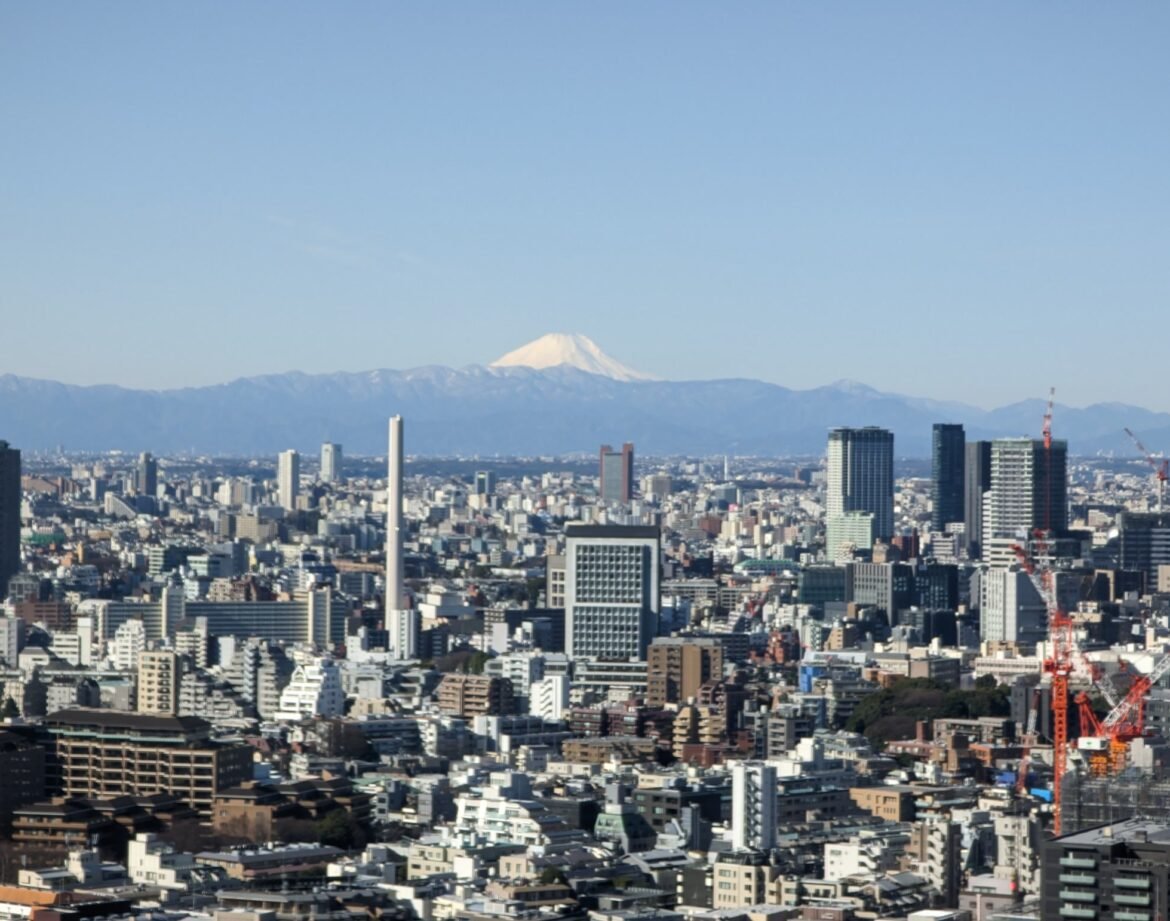
Whether you’re a solo traveler craving a capsule hotel adventure in Akihabara, a couple dreaming of a ryokan with Mount Fuji views, or a family of five needing a spacious apartment in Shibuya, this guide breaks down exactly where to stay in Tokyo for every budget and travel style.
We’ve spent months exploring Tokyo’s neighborhoods, testing accommodations across price ranges, and speaking with local hosts to bring you this definitive Tokyo staycation guide for 2026.
Why Choose Tokyo for Your Next Staycation?
Tokyo isn’t just a city — it’s a collection of mini-cities, each with its own personality. One day you’re sipping matcha in a 400-year-old teahouse in Asakusa, and the next you’re exploring neon-lit arcades in Akihabara. This diversity makes Tokyo the ultimate staycation destination.
Unlike typical hotel-centric destinations, Tokyo rewards travelers who immerse themselves in neighborhoods. A staycation in Shinjuku feels completely different from one in Ebisu, even though they’re only 15 minutes apart by train.
For international visitors, Tokyo offers something rare: world-class safety, incredible public transportation, and accommodations that range from ¥2,000-per-night capsule pods to ¥200,000-per-night luxury suites at the Aman Tokyo.
Key reasons to book a Tokyo staycation:
- Safety: Tokyo consistently ranks as one of the world’s safest cities
- Food: Over 160,000 restaurants — more Michelin stars than Paris
- Transport: Hyper-efficient JR and Tokyo Metro systems
- Seasons: Four distinct seasons, each offering unique experiences
- Value: Mid-range accommodations offer exceptional quality for the price
Where to Stay in Tokyo: A Neighborhood Guide
Shinjuku: The Entertainment Hub
Shinjuku is Tokyo’s beating heart — and its most dazzling neighborhood. Home to the world’s busiest railway station (3.6 million passengers daily), Shinjuku blends corporate skyscrapers, neon-lit entertainment districts, and quiet residential pockets into one unforgettable area.
Why stay here: If you want to be in the center of everything. Shinjuku Station connects to virtually every major line in Tokyo, making day trips effortless.
Best for: First-time visitors, nightlife lovers, shoppers
Don’t miss: Omoide Yokocho (Memory Lane) for yakitori, the Tokyo Metropolitan Government Building’s free observation deck, and Golden Gai’s 200+ tiny bars.
Accommodation sweet spot: Mid-range business hotels near Shinjuku Station offer excellent value (¥10,000–15,000/night), while luxury seekers should look toward the Park Hyatt Tokyo or Hotel Groove Shinjuku.
Budget tip: Capsule hotels around Kabukicho start at ¥3,500/night — surprisingly comfortable and uniquely Japanese.
Shibuya: The Trendsetter’s Paradise
Shibuya is where Tokyo’s youth culture, fashion, and creativity collide. Famous for the Shibuya Crossing (the world’s busiest pedestrian intersection), this neighborhood pulses with energy from dawn until the early morning hours.
Why stay here: For the vibe. Shibuya is Tokyo at its most youthful, colorful, and unpredictable.
Best for: Solo travelers, creative professionals, nightlife enthusiasts
Don’t miss: Shibuya Sky observation deck, Cat Street for vintage shopping, and Nonbei Yokocho for authentic izakaya hopping.
Accommodation sweet spot: Boutique hotels and design hostels dominate here. Tokyu Stay Shibuya Ebisu offers apartment-style rooms perfect for longer stays, while Shibuya’s hostel scene is among Tokyo’s best.
Insider note: Shibuya is currently undergoing massive redevelopment (Shibuya Station area). New hotels and vacation rentals are opening monthly — check for recently opened properties for better rates.
Akihabara: The Otaku Wonderland
Akihabara is Tokyo’s electric town — a neon-lit paradise of anime shops, electronics stores, maid cafes, and retro gaming arcades. But beyond the otaku culture, Akihabara offers some of Tokyo’s most budget-friendly accommodations.
Why stay here: Unbeatable value and a completely unique atmosphere you won’t find anywhere else on Earth.
Best for: Budget travelers, tech enthusiasts, anime fans, solo adventurers
Don’t miss: Super Potato retro game store, Gundam Cafe, and the dozens of electronics megastores along Chuo Dori.
Accommodation sweet spot: Capsule hotels and business hotels reign supreme here. First Cabin Akihabara pioneered the “business class capsule” concept — larger pods with proper ventilation and privacy screens. Prices start around ¥4,000–5,000/night.
Family tip: Several apartment-style vacation rentals near Akihabara Station offer full kitchens and washing machines — rare amenities in Tokyo at affordable prices.
Asakusa: Old Tokyo Charm
Asakusa feels like a different era. With Senso-ji Temple (Tokyo’s oldest, dating to 645 AD), traditional ryokan, and streets lined with craftspeople, Asakusa preserves the Tokyo that existed before skyscrapers.
Why stay here: For an authentic, traditional Japanese experience within easy reach of modern Tokyo.
Best for: Culture seekers, families, couples, seniors
Don’t miss: Senso-ji Temple at sunrise (before the crowds arrive), Nakamise-dori shopping street for traditional crafts, and a river cruise to Odaiba.
Accommodation sweet spot: Ryokan and traditional guesthouses. Sawanoya Ryokan has welcomed international guests for generations and offers an English-speaking staff — a rarity for traditional ryokan.
Budget-friendly: Hostels in Asakusa are among Tokyo’s cheapest, with several offering tatami-mat dorm rooms starting at ¥2,500/night.
Ginza: Luxury & Elegance
Ginza is Tokyo’s most polished neighborhood — an upscale district of flagship designer stores, Michelin-starred restaurants, and impeccably dressed locals. If your staycation budget allows, Ginza offers an unsurpassed luxury experience.
Why stay here: For the finest things in Tokyo — and effortless access to Tsukiji Outer Market.
Best for: Luxury travelers, couples celebrating special occasions, food enthusiasts
Don’t miss: Ginza Six rooftop garden, Kabuki-za Theatre for traditional performances, and department store basement food halls (depachika).
Accommodation sweet spot: International luxury brands dominate — The Peninsula Tokyo, Imperial Hotel, and Park Hotel Tokyo. For a unique twist, the Henn na Hotel Ginza uses robots for check-in.
Value hack: Vacation rentals just outside Ginza proper (in Tsukiji or Shimbashi) offer Ginza proximity at half the price.
Harajuku: Creative & Colorful
Harajuku is where Tokyo’s youth express themselves through fashion, art, and culture. Takeshita Street draws crowds with its crepe stands and quirky boutiques, while Omotesando offers tree-lined luxury shopping.
Why stay here: For the creative energy and excellent people-watching.
Best for: Young travelers, fashion enthusiasts, artists, photographers
Don’t miss: Meiji Shrine (serene forest oasis), Cat Street for boutique shopping, and the architectural masterpieces along Omotesando.
Accommodation sweet spot: Small boutique hotels and guesthouses hidden in the backstreets. Many are in renovated traditional homes, offering a blend of old and new.
Pro tip: Harajuku is walkable to Shibuya (15 minutes) and Shinjuku (25 minutes) — making it a surprisingly strategic base.
Roppongi: International Vibes
Roppongi is Tokyo’s most cosmopolitan neighborhood — home to embassies, international restaurants, and a thriving nightlife scene that caters to expats and visitors alike.
Why stay here: For international conveniences, English-friendly environments, and Tokyo’s best art museums.
Best for: Business travelers, art lovers, international visitors
Don’t miss: Mori Art Museum and Tokyo City View, Roppongi Hills shopping complex, and National Art Center Tokyo.
Accommodation sweet spot: Grand Hyatt Tokyo anchors the neighborhood with understated luxury. Mid-range options cluster around Roppongi Station.
Nightlife note: Roppongi’s nightlife is Tokyo’s most international — and most expensive. Budget travelers might prefer Shibuya or Shimokitazawa for nightlife value.
Ebisu: The Hipster Hideaway
Ebisu is where Tokyo’s creative class lives, works, and plays. Less touristy than Shibuya but equally stylish, Ebisu offers excellent dining, craft coffee, and a relaxed atmosphere that feels more like a village than a city ward.
Why stay here: For a local Tokyo experience with excellent food and drink.
Best for: Foodies, couples, repeat visitors
Don’t miss: Yebisu Garden Place, Ebisu Yokocho food alley, and the atmospheric walking paths toward Daikanyama.
Accommodation sweet spot: Tokyu Stay Shibuya Ebisu represents the neighborhood’s best offering — apartment-style rooms with kitchenettes, washing machines, and separate living spaces. Ideal for week-long staycations.
Best Hotels in Tokyo by Category
Luxury Hotels (¥30,000+ per night)
1. Aman Tokyo
Perched atop the Otemachi Tower, Aman Tokyo redefines urban luxury with 84 rooms featuring washi paper sliding doors, deep soaking tubs, and panoramic city views. The 30-meter swimming pool on the 34th floor feels like an infinity pool in the sky.
Perfect for: Special occasions, honeymooners, luxury connoisseurs
Price range: ¥80,000–200,000/night
2. Park Hyatt Tokyo
Made famous by “Lost in Translation,” the Park Hyatt Tokyo occupies the top floors of the Shinjuku Park Tower. Floor-to-ceiling windows frame Mount Fuji on clear days, while the Peak Bar and New York Grill remain Tokyo’s most iconic hotel venues.
Perfect for: Film buffs, luxury seekers, special celebrations
Price range: ¥60,000–150,000/night
3. The Peninsula Tokyo
Located in Marunouchi overlooking the Imperial Palace, The Peninsula combines old-world service with cutting-edge technology (mood lighting controlled by tablet, spa-like bathrooms). The Peninsula Academy offers exclusive cultural experiences for guests.
Perfect for: Business luxury, cultural immersion, palace views
Price range: ¥50,000–120,000/night
Boutique Hotels (¥15,000–30,000 per night)
4. Hotel Groove Shinjuku
A Park Royal Hotel property, Hotel Groove sits in the heart of Shinjuku’s Kabukicho district — but don’t let the location fool you. Soundproof rooms, rooftop bar, and Park Royal’s signature service make this a boutique standout.
Perfect for: Nightlife enthusiasts who want comfort
Price range: ¥15,000–25,000/night
5. Trunk Hotel (Cat Street, Shibuya)
Tokyo’s most talked-about boutique hotel, Trunk blends Japanese minimalism with Scandinavian design. The hotel doubles as a community space, with a cafe, bar, and event space open to the public.
Perfect for: Design lovers, social travelers
Price range: ¥25,000–40,000/night
6. Geospot Motohakone
While technically in Hakone (90 minutes from Tokyo), this boutique retreat deserves mention for Tokyo staycationers seeking a mountain escape. Eye-catching contemporary architecture, private onsen baths, and Mount Fuji views create an unforgettable experience.
Perfect for: Nature lovers, onsen enthusiasts, romantic getaways
Price range: ¥20,000–35,000/night
Business Hotels (¥8,000–15,000 per night)
7. Via Inn
Designed specifically for creatives and remote workers, Via Inn offers co-working spaces in the lobby, excellent WiFi, and rooms optimized for laptop use. The Shibuya location puts you walking distance to Cat Street and Harajuku.
Perfect for: Digital nomads, business travelers, creative professionals
Price range: ¥10,000–15,000/night
8. Tokyu Stay Shibuya Ebisu
Part hotel, part serviced apartment, Tokyu Stay offers something rare in Tokyo: a proper kitchenette and washing machine in every room. For staycations longer than 3 days, this convenience is game-changing.
Perfect for: Extended stays, families, budget-conscious travelers
Price range: ¥12,000–18,000/night
9. Shibuya Excel Hotel Tokyu
Directly connected to Shibuya Station (via Mark City), this business hotel offers unbeatable convenience. Rooms are compact but impeccably maintained, and the station-adjacent location saves hours of walking during your stay.
Perfect for: Convenience seekers, train enthusiasts
Price range: ¥15,000–22,000/night
Budget Hostels & Capsule Hotels (¥2,000–6,000 per night)
10. First Cabin Akihabara
The “business class capsule” concept means larger pods (2 meters long), proper ventilation, flat-screen TVs, and lockable storage. It’s not a traditional capsule — it’s a pod hotel done right.
Perfect for: Solo travelers, tech enthusiasts, budget adventurers
Price range: ¥4,000–6,000/night
11. Khaosan Tokyo Origami
Khaosan’s Tokyo flagship is housed in a renovated traditional building with tatami-mat common areas and a rooftop terrace. The staff organizes weekly social events, making this the best hostel for meeting fellow travelers.
Perfect for: Solo travelers, social butterflies, first-time backpackers
Price range: ¥2,500–4,000/night (dorm); ¥6,000–8,000/night (private)
12. Toco. Tokyo Heritage Hostel
A 1920s townhouse converted into a hostel, Toco. offers something genuinely rare: the feeling of staying in a traditional Japanese home at backpacker prices. The engawa (veranda) and garden are pure Showa-era nostalgia.
Perfect for: Culture seekers, photographers, nostalgic travelers
Price range: ¥3,000–5,000/night (dorm); ¥7,000–10,000/night (private)
Ryokan (¥8,000–50,000+ per night)
13. Sawanoya Ryokan
One of Tokyo’s few ryokan catering specifically to international guests, Sawanoya offers tatami-mat rooms, communal baths, and a library of English guidebooks. The Nezu neighborhood location feels authentically residential.
Perfect for: Traditional experience seekers, culture enthusiasts
Price range: ¥8,000–15,000/night
14. Homeikan (Hongo)
A registered cultural property dating to the Meiji era, Homeikan preserves the architecture and atmosphere of old Tokyo. The cypress-wood baths and traditional breakfast (included) make this a genuine ryokan experience within the city.
Perfect for: History buffs, architecture enthusiasts
Price range: ¥12,000–20,000/night
15. Onsen Ryokan Yuen (Shinjuku)
Can’t make it to Hakone? This urban ryokan in Shinjuku features real onsen water piped from natural hot springs 1,500 meters underground. The rooftop open-air bath with Shinjuku skyline views is unforgettable.
Perfect for: Osen lovers, urban convenience seekers
Price range: ¥15,000–25,000/night
Vacation Rentals vs Hotels: Which is Right for You?
For staycations longer than a week, vacation rentals often provide better value and convenience than hotels. Here’s the breakdown:
| Factor | Hotels | Vacation Rentals |
|——–|——–|—————–|
| Price (7 nights) | ¥70,000–140,000 | ¥50,000–100,000 |
| Kitchen | Rare | Standard |
| Washing machine | Rare | Common |
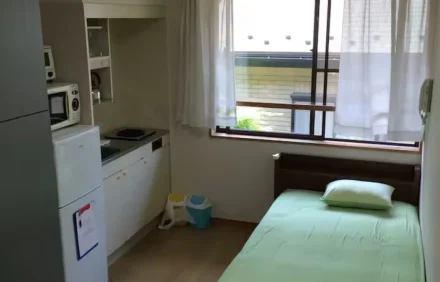
| Space | Compact (15–25 sqm) | Larger (30–60 sqm) |
| Service | Daily housekeeping | Self-service |
| Local feel | Tourist-oriented | Residential |
| Check-in flexibility | 24/7 front desk | Key box/lockbox |
Choose a hotel if: You value daily cleaning, room service, and concierge assistance.
Choose a vacation rental if: You want more space, plan to cook, or travel with family.
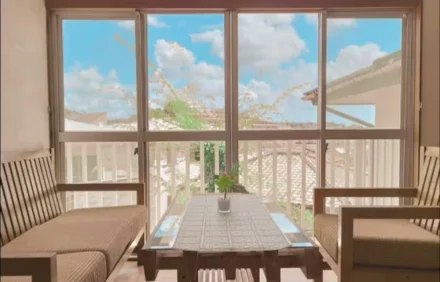
JapanStaycation tip: Many Tokyo vacation rentals are in residential apartment buildings — meaning you’ll live exactly like a local. The trade-off is less English support and no front desk assistance.
Tokyo Staycation Budget Breakdown
Budget Traveler (¥3,000–6,000/night):
- Capsule hotels or dormitory hostels
- Convenience store meals (konbini food is genuinely excellent in Japan)
- Free attractions: temples, parks, window shopping
Mid-Range Traveler (¥10,000–20,000/night):
- Business hotels or vacation rentals
- Mix of casual restaurants and occasional splurge meals
- Paid attractions: teamLab, Tokyo Skytree, day trips
Luxury Traveler (¥30,000+/night):
- International luxury hotels or high-end ryokan
- Michelin-starred dining
- Private tours and exclusive experiences
Money-saving tips:
- Book 2–3 months ahead for best rates
- Consider shoulder seasons (March–April pre-cherry blossom, October–November post-summer)
- Many museums offer free admission days
- Tokyo Metro 72-hour pass (¥1,500) pays for itself in 3 days
When to Visit Tokyo
Spring (March–May): Cherry blossoms transform the city. Book 6 months ahead — this is peak season.
Summer (June–August): Hot and humid, but festivals (matsuri) light up every neighborhood. July’s Tanabata and August’s Obon are magical.
Autumn (September–November): Perfect weather and stunning fall foliage. September avoids the crowds; November offers peak colors.
Winter (December–February): Cold but clear. Illuminations sparkle across the city, and onsen experiences are heavenly. Lowest hotel rates of the year.
Insider Tips for Booking Your Tokyo Staycation
1. Proximity to a JR Station matters more than neighborhood prestige.
Tokyo’s JR Yamanote Line is a loop connecting all major districts. Being within 500 meters of any Yamanote station gives you effortless access to the entire city.
2. Room sizes are smaller than you expect.
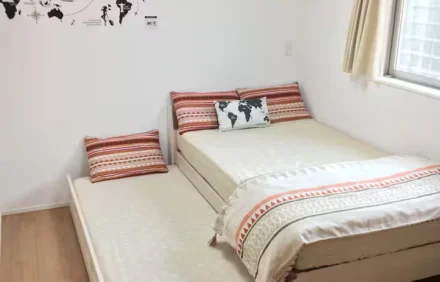
A “double room” in Tokyo often means a 15-square-meter room with a semi-double bed (140cm wide). Always check room size in square meters, not just “double/twin.”
3. Check-in is typically 3 PM, checkout 10 AM.
Late checkout is rarely available. If you have an evening flight, coin lockers at stations are your best friend.
4. Tatami rooms require different etiquette.
In ryokan: no shoes on tatami, sleep on futons laid directly on the floor, and fold your bedding neatly in the morning.
5. Convenience stores are legitimate meal options.
7-Eleven, Lawson, and FamilyMart in Japan offer fresh onigiri, bento boxes, and surprisingly good coffee at ¥100–500. Don’t overlook them.
Frequently Asked Questions (FAQ)
Q: What is the best area to stay in Tokyo for first-time visitors?
A: Shinjuku or Shibuya. Both offer excellent train connections, abundant dining options, and English-friendly environments. Shinjuku is better for traditional sights; Shibuya for youthful energy.
Q: How much should I budget per night for a Tokyo hotel?
A: Budget travelers can find capsule hotels from ¥3,000/night. Mid-range business hotels average ¥12,000/night. Luxury hotels start around ¥30,000/night and can exceed ¥100,000 for top-tier properties.
Q: Is it cheaper to book a vacation rental or hotel in Tokyo?
A: For stays longer than 5 nights, vacation rentals are typically 20–40% cheaper than hotels of equivalent quality. They also offer kitchens and washing machines, saving additional money on meals and laundry.
Q: Are capsule hotels comfortable for international travelers?
A: Modern capsule hotels like First Cabin and Nine Hours are surprisingly comfortable for 1–2 nights. However, the confined space and shared bathrooms aren’t for everyone. Consider them an experience, not a long-term solution.
Q: When is the cheapest time to visit Tokyo?
A: January–February (post-New Year, pre-cherry blossom) offers the lowest hotel rates. Avoid Golden Week (late April–early May) and cherry blossom season (late March–early April) when prices surge 50–100%.
Book Your Tokyo Staycation Today
Tokyo offers something no other city can: the ability to experience ancient traditions and cutting-edge modernity within the same afternoon. Whether you’re sleeping in a ¥3,000 capsule pod or a ¥200,000 penthouse suite, Tokyo rewards curiosity and open-mindedness.
For the best staycation experience, we recommend mixing accommodation types — perhaps a ryokan night in Asakusa followed by a week in a Shibuya vacation rental. This gives you both cultural immersion and local-living convenience.
Ready to book your Tokyo staycation? Browse our curated collection of Tokyo vacation rentals, from Shinjuku apartments to Ebisu designer lofts. Each property is personally verified by our team for location, comfort, and authentic Tokyo living.
Have questions about planning your Tokyo staycation? Contact our team — we’re Tokyo locals who love helping travelers discover the city’s hidden gems.